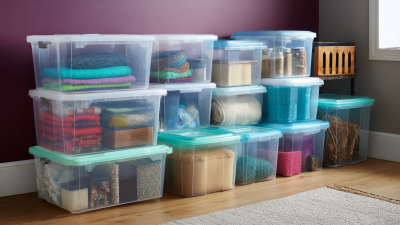
In today's retail landscape, Plastic Supermarket Crates are gaining significant traction. John Smith, a logistics expert at Green Logistics Solutions, emphasizes, "Plastic Supermarket Crates optimize efficiency like no other." These versatile crates not only enhance storage but also streamline the supply chain.
Retailers are increasingly turning to Plastic Supermarket Crates due to their lightweight yet durable design. Supermarkets can minimize waste and improve shelf life with these reusable solutions. However, some still rely on traditional cardboard boxes, missing out on the numerous advantages.
It's essential to recognize that not all Plastic Supermarket Crates are created equal. Consumers face a variety of options, leading to confusion. The wrong choice could result in inefficiencies or increased costs. A careful evaluation of materials and designs is vital for maximizing benefits.
Plastic supermarket crates have become a prevalent choice in retail due to their impressive durability. Unlike cardboard, which can warp and weaken when exposed to moisture, plastic crates resist environmental factors effectively. According to recent industry studies, plastic crates can last up to five times longer than their cardboard counterparts. This durability translates into long-term cost savings for businesses, as they require fewer replacements.
Additionally, plastic crates provide enhanced sanitary benefits. They are easy to clean and can withstand harsh chemicals without degrading. In a market where food safety is paramount, this quality is crucial. The ability to reuse these crates reduces waste significantly. A report from the Environmental Protection Agency notes that plastic crates generate significantly less waste compared to cardboard.
Tips: When selecting crates, look for options with reinforced bases. These are sturdier and prevent damage to your goods. Always inspect your crates regularly for any cracks or bends to ensure they remain safe for use. Keeping them clean after each use also extends their lifespan significantly.
Plastic supermarket crates are revolutionizing supply chains. They offer a lightweight alternative to traditional wooden pallets. This reduces transport costs significantly. Companies can save money while ensuring products are safely delivered.
These crates are stackable, enhancing storage efficiency. Supermarkets can maximize space in warehouses and on delivery trucks. Fewer trips can lead to lower carbon emissions. However, the durability of plastic can be a concern. If not maintained properly, these crates may crack over time.
In addition, the ease of cleaning plastic crates is a big plus. This feature helps maintain hygiene standards in food transport. Yet, it requires consistent effort for proper upkeep. Some may find the initial investment in plastic crates high. Nonetheless, the long-term gains can outweigh these costs, making them a worthwhile consideration.
Plastic supermarket crates offer significant cost-effectiveness for businesses. One major advantage is their durability. Unlike cardboard, which can wear quickly, plastic crates last longer. They resist damage from moisture, spills, and heavy loads. This means fewer replacements are needed over time.
Using plastic crates also simplifies logistics. They stack neatly, saving space in storage areas. When transporting goods, they fit snugly, reducing wasted space in trucks. This efficiency can cut transportation costs significantly. Additionally, their light weight minimizes shipping expenses.
However, not all businesses recognize these benefits immediately. Some may hesitate to switch from traditional packaging. There can be concerns about upfront costs. It’s important to consider the long-term savings instead. Reflecting on operational needs is key. Investing in quality plastic crates could enhance profitability in the long run.
Plastic supermarket crates offer significant environmental advantages.
Recyclability stands out as a key benefit. Made from durable materials, these crates can be recycled multiple times. This reduces the need for new plastic production. Less production means decreased energy consumption and fewer resources used. It's a vital step toward sustainability.
Furthermore, these crates help reduce waste impact. Traditional packaging often ends up in landfills. Plastic crates, however, can be reused many times. This longevity minimizes waste. Although they eventually need disposal, recycling helps keep them out of landfills longer. Some might argue about the energy used in recycling processes. Yet, the overall benefits often outweigh these concerns.
The transition to plastic crates isn't perfect. Not all facilities may have efficient recycling systems. Education on proper disposal is crucial. Some consumers might not understand the importance of recycling. Raising awareness can help maximize the benefits. These crates represent a shift in packaging solutions. With time, they may lead to a sustainable future.
Hygiene is paramount in food storage and transportation. Plastic supermarket crates now offer enhanced hygiene standards. These crates are made from non-porous materials, making them less prone to bacteria accumulation. According to the Food and Drug Administration (FDA), proper food storage can reduce contamination risks by up to 30%. This statistic underscores the significance of using hygienic materials.
Transporting food in plastic crates can further minimize cross-contamination. Unlike wooden pallets, plastic crates are easy to clean and disinfect. A study by the European Food Safety Authority shows that cleaning frequency increases by 40% when using plastic versus wood. This improvement can significantly enhance overall food safety. However, some warehouses still hesitate to adopt these practices. They may rely on outdated methods that do not meet current hygiene standards.
Despite these advantages, organizations need to continuously evaluate their practices. Implementing a robust hygiene protocol is essential. Neglecting proper training can lead to mistakes, impacting food safety. Regular audits and feedback loops can ensure that hygiene standards are consistently upheld. It is not enough to simply switch materials; a holistic approach is necessary for real improvement.
Plastic crates have gained increasing popularity across various industries due to their versatility. In the food sector, they are essential. According to a recent industry report, over 70% of supermarkets now opt for plastic crates. These crates offer improved hygiene and ease of cleaning. Their lightweight design aids in transporting goods efficiently.
In the agricultural sector, plastic crates play a vital role. They are used for harvesting fruits and vegetables. A study showed that using plastic crates reduces spoilage by up to 30%. However, not all farms utilize them effectively. Some rely on traditional wooden options, missing out on the benefits plastic offers.
Retail and logistics also benefit greatly. Companies report that these crates can stack easily, saving space in warehouses. This stacking ability leads to reduced transport costs. Despite the advantages, some businesses hesitate due to initial investment costs. This reflects a need for deeper analysis on long-term gains versus initial expenses.
| Benefit | Description | Industries |
|---|---|---|
| Durability | Resistant to impacts, moisture, and chemicals, ensuring a long lifespan. | Retail, Food Processing |
| Lightweight | Easier to transport and handle compared to bulkier options. | Logistics, Manufacturing |
| Cost-Effective | Reduces shipping costs and minimizes waste. | Retail, Distribution |
| Stackable | Maximizes storage space both in transit and at the facility. | Warehousing, Retail |
| Reusable | Designed for multiple uses, reducing the need for disposable containers. | Food Industry, Grocery Stores |
| Hygienic | Easy to clean and sanitize, making them suitable for food handling. | Food Safety, Grocery Stores |
| Eco-Friendly | Made from recyclable materials, promoting a sustainable approach. | Retail, Environmental Agencies |
| Customizable | Available in various sizes, colors, and designs to meet specific needs. | Manufacturing, Retail |
| Safety Features | Many designs include safety features, ensuring safe transport of goods. | Logistics, Retail |
| Improved Inventory Management | Facilitates better tracking and management of products during storage and transportation. | Warehousing, Retail |
Plastic supermarket crates are designed with user-friendliness in mind. Their lightweight build allows for easy handling, reducing strain during transport. Many crates feature ergonomic grips, helping staff lift and carry with less effort. This design consideration is crucial during busy hours when efficiency matters most.
The stackable nature of these crates saves space. Retailers can easily stack them when not in use, optimizing storage. However, it's important to consider how they fit into the existing logistics. Some users may find them slipping when stacked improperly, posing a risk. Regular checks on the stacking method can avoid this issue.
Ventilation holes in the crates help preserve produce freshness. This feature supports airflow, reducing spoilage and waste. Yet, some users may overlook the need for regular cleaning. Dirty crates could compromise the quality of goods they carry. It's a small detail, but one that can have significant consequences. Addressing these small issues can enhance the overall efficiency of supermarket operations.
: The product aims to provide convenience and enhance everyday experiences. It simplifies tasks.
Follow the included instructions carefully. Experiment with different settings. Observe how it fits your routine.
Yes, avoid using it in wet areas. Keep it away from children. Regularly check for any wear or damage.
Troubleshooting steps are in the manual. Don’t hesitate to reach out for help. Patience is key.
Yes, clean it regularly to ensure optimal performance. Check parts for any signs of wear. Reflect on your usage habits.
Sharing is fine, but ensure everyone understands the instructions. Communication is essential to avoid misuse.
There may be variations based on features. Analyze what suits your needs best. Do research on options available.
Lifespan varies based on usage and care. Regular maintenance can extend it. Monitor the state over time.
Many find it easy to use, but experiences can differ. Take time to familiarize yourself with it.
Consider returning it if possible. Reflect on what didn't meet your expectations. Learn from the experience.
Plastic supermarket crates offer numerous advantages that make them a preferred choice in modern retail and supply chain management. Their durability ensures they outlast traditional cardboard options, reducing the need for frequent replacements. This longevity translates into significant cost savings over time. Additionally, plastic crates enhance efficiency within supply chains, allowing for easier handling and transportation of goods.
From an environmental perspective, plastic supermarket crates are recyclable, thus contributing to reduced waste and promoting sustainable practices. They also meet higher hygiene standards, which is critical for food storage and transportation. Versatile in nature, these crates serve various industries beyond supermarkets, while their user-friendly design features make them practical for everyday use. Overall, the transition to plastic supermarket crates is a strategic decision that fosters operational efficiency, economic benefits, and environmental responsibility.