

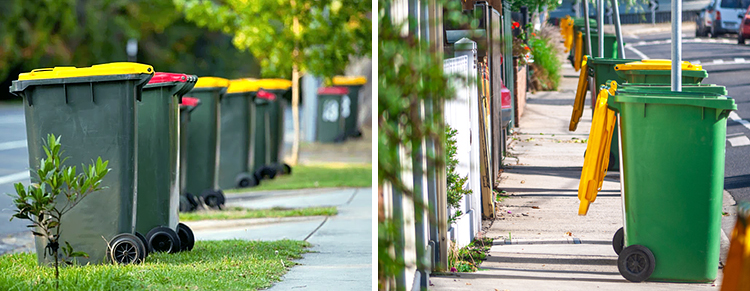
Selecting the appropriate outdoor plastic dustbin is crucial for ensuring durability, practicality, and environmental friendliness. Whether for residential communities, commercial areas, parks, or industrial zones, the right choice can improve waste disposal efficiency, reduce maintenance costs, and maintain environmental hygiene. This guide will detail the key factors to consider when choosing outdoor plastic trash cans, including material selection, classification design, and size matching, helping you make an informed decision.
Key Factor 1: Material Selection – The Foundation of Durability
The material of outdoor plastic trash cans directly determines their service life, applicability, and safety. Different plastic materials have distinct characteristics, so it’s essential to match them with specific usage scenarios.
1. High-Density Polyethylene (HDPE)
As the most commonly used material , HDPE boasts high hardness, excellent toughness, and strong resistance to acids and alkalis. It is suitable for holding kitchen waste, general household garbage, and other common waste types. A notable advantage of HDPE is its good low-temperature resistance, which prevents cracking even in cold environments, making it ideal for outdoor use in most regions.
2. Polypropylene (PP)
PP material offers superior heat resistance compared to HDPE, capable of withstanding higher temperatures. This makes it particularly suitable for locations where hot water or high-temperature waste may be encountered, such as near restaurants, canteens, or food processing areas. However, it’s worth noting that PP has slightly lower toughness at low temperatures, so it may not be the best choice for outdoor use in extremely cold regions.
3. Polyvinyl Chloride (PVC)
PVC is a low-cost plastic material, but it has poor stability. It may release harmful substances when exposed to high temperatures, posing potential risks to the environment and human health. Currently, PVC is rarely used for outdoor trash cans that directly come into contact with household waste, and it is not recommended for most outdoor public scenarios.
Key Factor 2: Classification Design – Beyond “Recyclable” and “Other”
With the advancement of waste classification policies, modern outdoor plastic trash cans are no longer just single large-capacity containers. Their classification design incorporates thoughtful features to meet diverse usage needs and improve waste sorting efficiency.
1. Dual-Bucket/Triple-Bucket Combinations
This is the most common classification design. Common combinations include “Recyclables + Other Waste” and “Kitchen Waste + Hazardous Waste + Other Waste.” These trash cans use clear color coding (blue for recyclables, green for kitchen waste, red for hazardous waste, gray for other waste, etc.), allowing the public to easily identify and sort waste correctly.
2. Lid-Equipped Design
Trash cans with lids have excellent sealing performance, which can effectively reduce the spread of odors. They also prevent rainwater from entering the bucket and inhibit the breeding of mosquitoes and flies, making them especially suitable for storing kitchen waste or being used in humid outdoor environments.
3. Foot-Operated Lid Opening
The foot-operated design allows users to open the lid without touching it with their hands, greatly improving hygiene. This type of trash can is widely used in public places with high cleanliness requirements, such as hospitals, shopping malls, and kindergartens.
4. Large-Capacity Connected Buckets
Commonly found in high-traffic areas such as squares, scenic spots, and stadiums, multiple bucket bodies are connected together. This design not only maintains clear classification but also saves space, facilitating centralized collection and transportation by sanitation workers.
Key Factor 3: Size Matching – Choose Based on Application Scenarios
The size of outdoor plastic trash cans directly affects their practicality and space utilization. Choosing the right size according to the usage scenario can avoid problems such as insufficient capacity or excessive occupation of space.
1. Community Corridors/Unit Entrances
Small dual-bucket trash cans with a capacity of 30-50 liters are suitable here. They are compact and do not take up much space, making them convenient for residents to dispose of daily waste.
2. Streets/Park Trails
Medium-sized trash cans with a capacity of 80-120 liters are recommended. Their capacity is moderate, which can meet the waste disposal needs of pedestrians while not being too large to affect the beauty of the environment.
3. Squares/Scenic Spots/School Playgrounds
High-traffic areas require large-capacity trash cans with a capacity of 150-240 liters. This can reduce the frequency of collection and transportation and avoid waste over
To choose the right outdoor plastic trash can, you need to comprehensively consider three core factors: material, classification design, and size. Prioritize HDPE or PP materials based on the environment; select the appropriate classification design according to the waste sorting requirements and hygiene standards; and match the size to the traffic volume and space conditions of the usage scenario. By following these principles, you can select a trash can that is durable, practical, and environmentally friendly, creating a cleaner and more orderly outdoor environment.
Post time: Dec-26-2025


