

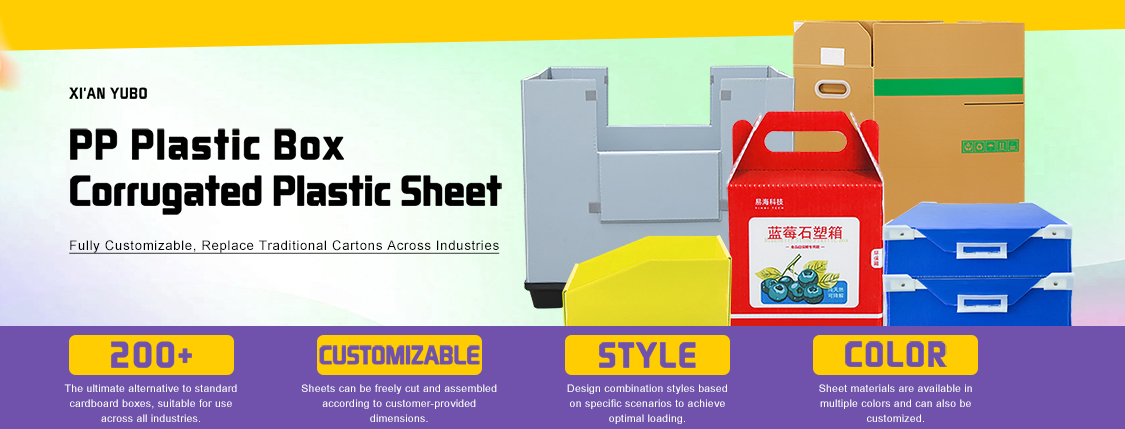
Corrugated plastic packing bins, also widely known as coroplast or correx packing bins, have become indispensable multi-functional packaging tools across diverse industrial and commercial sectors in 2026. Featuring lightweight, durable, customizable, and reusable characteristics, these specialized packing bins solve multiple pain points of traditional packaging, including fragile structure, poor waterproof performance, and non-reusability, bringing comprehensive upgrades to product packaging, storage, and transportation.
One of the most prominent advantages of corrugated plastic packing bins is their extreme versatility and customizability. Made of high-strength hollow PP plastic boards, the bins can be freely cut, folded, and reinforced to match customized sizes, shapes, and functional designs. Enterprises can add reinforced edges, anti-slip layers, partition baffles, dust-proof lids, and ventilation holes according to different cargo needs, realizing targeted packaging protection for fragile electronic components, fresh fruits and vegetables, precision auto parts, and daily consumer goods.
Durability and environmental adaptability are core competitive strengths of corrugated plastic packing bins, allowing them to outperform traditional cardboard packaging in harsh industrial and logistics environments. The non-porous twin-wall plastic structure resists water, oil, dust, and mild chemical corrosion, preventing cargo contamination and moisture damage during repeated turnover and long-distance transportation. The hollow corrugated design delivers reliable shock resistance and structural load-bearing capacity, minimizing product deformation and transit damage compared to fragile cardboard boxes. Dataintelo industry analysis confirms that reusable corrugated plastic packaging solutions dominate industrial packaging applications, with the manufacturing and automotive sectors accounting for substantial market share due to their superior protection performance for precision components and fragile goods.
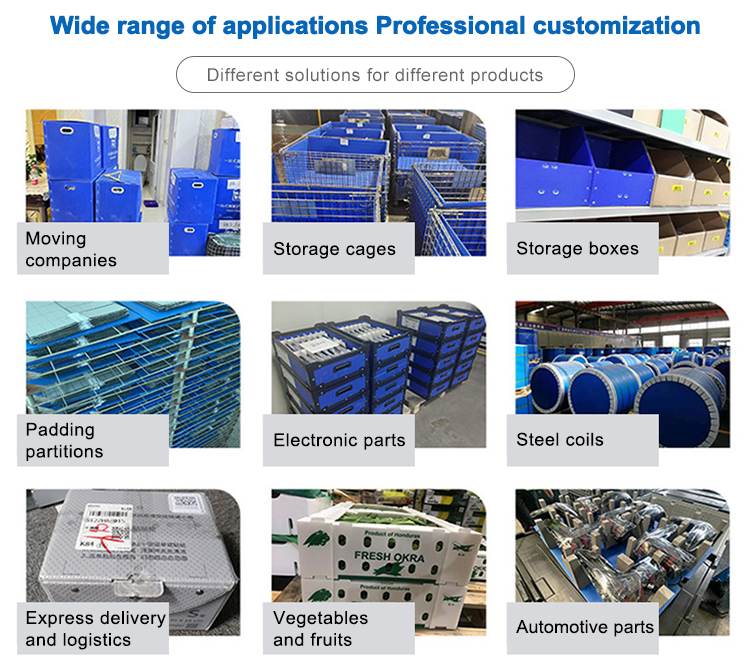
The application scenarios of corrugated plastic packing bins cover the entire industrial chain. In agriculture and food industries, ventilated custom bins ensure fresh air circulation for fruits and vegetables, extending shelf life during transportation and meeting food safety hygiene standards with easy-to-clean surfaces. In manufacturing and industrial fields, they are widely used for sorting, storing, and turnover of small parts, hardware accessories, and electronic components, improving workshop organization efficiency. In retail and distribution logistics, stackable and nestable corrugated plastic packing bins streamline shelf replenishment and cross-regional cargo turnover, greatly improving distribution efficiency.
From a long-term industrial development perspective, custom corrugated plastic packing bins deliver dual value in operational efficiency and green sustainability. Made of fully recyclable polypropylene material, these packing bins align with global ESG standards and carbon reduction policies, helping enterprises cut packaging waste and lower carbon footprints. The booming reusable corrugated plastic packaging market — valued at $5.98 billion in 2025 with a 6.2% CAGR through 2034 — reflects industry-wide recognition of these sustainable packaging solutions. As intelligent warehousing and green logistics continue to iterate, custom corrugated plastic packing bins will further penetrate agriculture, manufacturing, pharmaceutical, and retail logistics sectors, solidifying their position as the mainstream returnable packaging solution for global supply chains.
Post time: Aug-28-2026


