

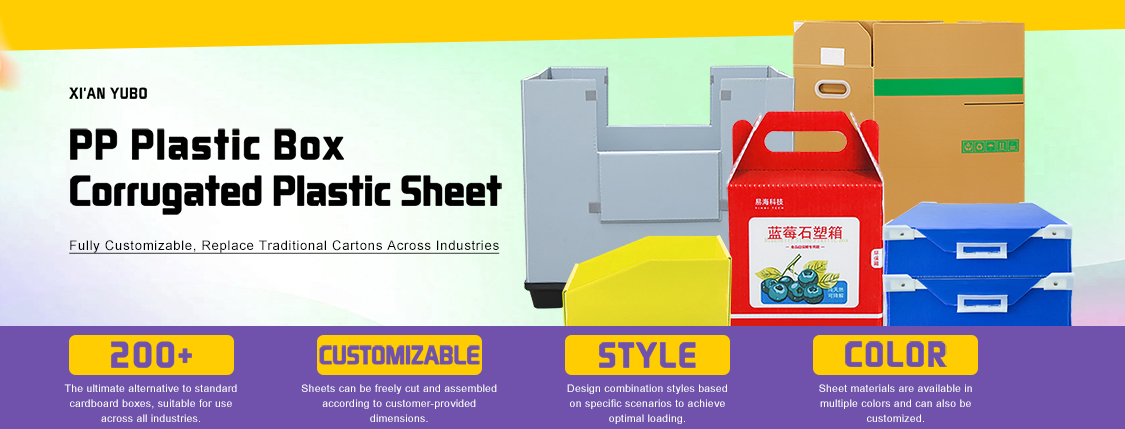
The global logistics and warehousing industry is rapidly shifting away from traditional single-use cardboard packaging, and corrugated plastic packing bins have emerged as the leading sustainable and cost-effective alternative in 2026. As supply chain efficiency and environmental compliance become core operational priorities for manufacturers, distributors, and agricultural businesses worldwide, corrugated plastic packing bins have proven their superior value through verified long-term performance data and real-world industrial applications.
Unlike disposable cardboard boxes that suffer from water damage, tearing, and short service life, premium corrugated plastic packing bins are manufactured from twin-wall polypropylene (PP) material, delivering superior environmental adaptability and structural stability. Verified industrial testing confirms these reusable bins tolerate wide temperature fluctuations without deformation or structural failure, suitable for cold storage, high-temperature production workshops, and outdoor cross-regional transit. As stated in Dataintelo’s 2026 global corrugated plastic packaging industry report, corrugated plastic packaging solutions support long-cycle repeated turnover, drastically cutting reliance on single-use cardboard alternatives. The global corrugated plastic packaging market reached $14.8 billion in 2025 and is projected to grow at a steady compound annual growth rate through 2034, driven largely by logistics and manufacturing adoption of reusable packing bins.
Cost sustainability is the core reason why corrugated plastic packing bins have become a mainstream upgrade for modern supply chains. While the upfront purchase cost is marginally higher than disposable cardboard boxes, the reusable design delivers long-term operational savings and stable ROI for enterprises. Lightweight twin-wall plastic construction reduces overall cargo weight, lowering long-haul shipping and freight expenses. Meanwhile, repeated usability eliminates continuous cardboard procurement and waste disposal overheads. According to verified industrial packaging industry analysis, businesses adopting standardized reusable corrugated plastic packing bins effectively reduce recurring packaging expenditures and improve overall supply chain cost control, with consistent cost optimization across warehousing, distribution, and manufacturing scenarios.
In daily warehouse and logistics operations, corrugated plastic packing bins offer significant space and efficiency advantages over traditional packaging. Standardized bin sizes enable uniform stacking, nested storage when empty, and optimized pallet loading, maximizing warehouse space utilization and improving inventory management efficiency. The PP-based corrugated plastic material features excellent moisture-proof, chemical-resistant, and washable properties, complying with strict industrial and food-grade hygiene standards. This makes corrugated plastic packing bins ideal for diversified scenarios including fresh produce logistics, food processing storage, pharmaceutical supply chain turnover, and automotive parts packaging — key application segments driving steady market growth, per 2025–2026 industrial packaging industry data.
As global sustainability regulations tighten, corrugated plastic packing bins further stand out with 100% recyclable properties. They effectively reduce industrial packaging waste, helping enterprises lower carbon emissions and meet ESG assessment requirements. For modern businesses pursuing efficient, low-cost, and eco-friendly supply chain operations, corrugated plastic packing bins are no longer optional upgrades but essential logistics packaging equipment.
Post time: Aug-28-2026


